- Register
- Log in to Tune-In
- Wishlist (0)
-
Shopping cart
(0)
You have no items in your shopping cart.

At 24, John Lennon Crafted the 'Greatest Song Ever Written'
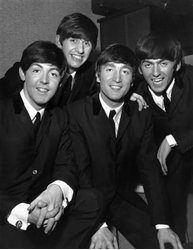
In 1971, John Lennon released what would become one of the defining songs of his solo career. Fifty-five years later, "Imagine" has not only endured, it has been ranked the greatest song of all time.
"Imagine" was released as a single in the United States on Oct. 11, 1971, following the September release of Lennon's album of the same name.
More than five decades later, author Carolyn McHugh put the song at No. 1 in her book "The 100 Greatest Songs of All Time: Create Your Ultimate Playlist," released in December 2025. McHugh's book ranks 100 songs spanning pop, rock, soul, folk and funk, with "Imagine" beating out every other track for the top spot. In fact, Lennon narrowly beat his former bandmates: The Beatles' "Yesterday" landed at No. 2. The Beatles also placed "I Want to Hold Your Hand" at No. 7 and "Hey Jude" at No. 39.
McHugh describes "Imagine" as one of Lennon's most enduring works, praising its "powerful message of hope, peace and unity," as well as its "simple, yet profound lyrics" and "hauntingly beautiful melody."
The song's origins stretch back to Lennon's years with The Beatles. According to HISTORY, Lennon began writing "Imagine" while he was still a member of the band, although he didn't record it until after their breakup.
Yoko Ono had a significant influence on the song. Lennon later said its lyrics and concept came from Ono's 1964 book "Grapefruit." In 2017, Ono was officially added as a co-writer of "Imagine."
Lennon recorded the song at Tittenhurst Park, the English country estate he shared with Ono, with Phil Spector producing alongside Ono.
Despite becoming one of the most recognizable songs of Lennon's career, "Imagine" never reached No. 1 on the Billboard Hot 100. It peaked at No. 3 in the United States, while its original U.K. release reached No. 6. Following Lennon's murder in December 1980, the song returned to the British charts and spent four weeks at No. 1. Its legacy ultimately grew far beyond its original chart performance.
"Imagine" has been used at major events around the world, including the 2012 London Olympics and 2018 Winter Olympics in Pyeongchang. It has also become part of New York City's New Year's Eve tradition, performed shortly before midnight in Times Square.
Source: yahoo.com/Andrea Reiher