- Register
- Log in to Tune-In
- Wishlist (0)
-
Shopping cart
(0)
You have no items in your shopping cart.

How The Beatles Shea Stadium Concert Changed Live Music Forever
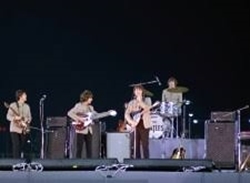
The Beatles’ landmark performance at Shea Stadium on 15 August 1965 transformed the economics and logistics of live rock concerts, while exposing the technical limitations of concert sound that would reshape the industry for decades.
When The Beatles walked onto the field at Shea Stadium in New York on 15 August 1965, they were not simply playing another concert. Before a record crowd of 55,600 fans, the band staged what is widely recognised as the first major outdoor stadium rock concert, establishing a blueprint for the modern stadium tour despite battling audio technology that was not yet capable of keeping pace with Beatlemania.
The concert became a defining moment in live music history for reasons that extended well beyond the performance itself. Promoted by Sid Bernstein, the event grossed a then unprecedented US$304,000 and demonstrated that rock music could successfully fill major sporting venues. Every aspect of the production, from transporting the band by helicopter to deploying 2,000 security personnel, reflected the unprecedented scale of the event.
While artists including Elvis Presley had previously appeared in outdoor stadiums such as the Cotton Bowl and Spokane Memorial Stadium during the 1950s, Shea Stadium is regarded as the first concert conceived and promoted as a dedicated large scale stadium rock event. It created the commercial and logistical model that would later be adopted by generations of touring artists.
Ironically, the concert that changed live music almost defeated the technology of its era.
Source: noise11.com\Paul Cashmere