- Register
- Log in to Tune-In
- Wishlist (0)
-
Shopping cart
(0)
You have no items in your shopping cart.

Lennon might have written the lyrics, but as McCartney remembers it, he “wrote the tune” to
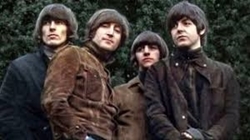
“It was John’s original inspiration, I think my melody, I think my guitar riff. That’s my recollection”: Lennon might have written the lyrics, but as McCartney remembers it, he “wrote the tune” to one of The Beatles’ greatest and most poignant songs.
Anyone looking to pinpoint the moment when The Beatles turned from pop idols into mature artists will inevitably hone in on their landmark sixth studio album Rubber Soul. Recorded over a four-week period, from 12 October to 11 November 1965, Rubber Soul is The Beatles’ first masterpiece, a hugely influential pre-psychedelia work that draws on folk, soul and pop.
Sonically the album signalled a major shift, as the band incorporated soul-style bass lines, fuzz bass effects, harmonium and sitar. But it also marked a transition in John Lennon and Paul McCartney’s songwriting, from pop singles to a more cohesive, mature, album-orientated style.
Much of this was due to the ongoing influence of Bob Dylan, the folk-rock jangle of The Byrds and soul artists on the Motown and Stax labels whose music The Beatles soaked up from radio stations across the US during the summer of 1965.
Then, of course, there is the influence of marijuana, which is omnipresent within the mellow tones of Rubber Soul.
By 1965, John Lennon in particular was demonstrating a lyrical maturity that was far more personal and introspective. On Nowhere Man, Lennon perceives himself as someone with no direction in life, while Norwegian Wood is a veiled account of an extramarital affair.
Source: Neil Crossley/musicradar.com