- Register
- Log in to Tune-In
- Wishlist (0)
-
Shopping cart
(0)
You have no items in your shopping cart.

Paul and Ringo's reunion will put a smile on every Beatles fan's face
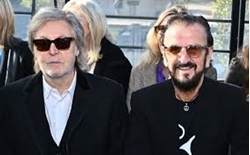
Paul McCartney old and new, ancient and contemporary, come together on The Boys of Dungeon Lane, the 27th studio album of his post-Beatles career. The melodious pop genius of his youth and the venerable elder statesman of rock culture look back with rheumy, sentimental eyes on the memories and influences of his youth.
“Grandpa Paul sounds old,” you might think during the opening bars of As You Lie There. Really, every one of McCartney’s 83 years can be detected in his shaky, thinning voice, reminiscing saucily about a teenage crush over dreamy acoustic chords.
Yet in a snap he can bring the past sharply into the present with musical flourishes akin to colourising a black-and-white film, his own deft harmonies rising to expand his vocal timbre, his sustained electric guitars snaking nimbly into the flourishing bass and thumping drums of the greatest one-man band in pop history. When McCartney hits the high chorus of the epic, shapeshifting As You Lie There, then unleashes a joyous background roar of “yeah yeah yeah” with that Little Richard wail and mop-top head shake, you hear the very same joyful enthusiasm he brought to the Fab Four when he embarked on his recording career in 1962, aged 20.
Dungeon Lane was one of McCartney’s Liverpool childhood haunts, and his own past infuses this album. The elegant Salesman Saint sentimentally recalls the stoic struggles of McCartney’s parents and the whole post-war generation, concluding with a cheery slice of horn-rippling jazz as if a swing party had broken out in McCartney’s front room.
His ebullient duet with Ringo Starr, Home To Us, is a rocking singalong romp to rival Get Back, the trilling harmonies of Chrissie Hynde and Sharleen Spiteri adding Wings-style vocal flavour, whilst Ringo’s thumping drum fills will put a smile on every Beatles fan’s face. Down South offers scruffy acoustic whimsy about hitch-hiking with George Harrison, whilst John Lennon is recalled on the tender ballad Days We Left Behind, with McCartney really leaning into the vulnerability of his older voice.
Source: telegraph.co.uk/Neil McCormick