- Register
- Log in to Tune-In
- Wishlist (0)
-
Shopping cart
(0)
You have no items in your shopping cart.

The Beatles Celebrate 60 Years Of Rubber Soul, The Album That Changed Everything
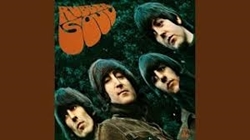
When Rubber Soul arrived in the UK on 3 December 1965, The Beatles stepped into a new phase of their creative lives, a phase that would soon define the sound and ambition of popular music. The sixth studio album from John Lennon, Paul McCartney, George Harrison and Ringo Starr landed during a frantic period in their global rise, yet the work itself came from a rare four-week window where the group were free of touring, filming and radio commitments, a gift they had never been offered before.
Recorded in London across October and November 1965, the album represented a shift away from Beatlemania’s high-volume demands, with the band focusing on the studio as a place of exploration. For the first time they had the space to work as recording artists rather than performers, a change that altered the direction of their career and the wider rock landscape.
Often described as a folk rock record, Rubber Soul grew from a mix of influences that the group absorbed during their August 1965 North American tour. They had played to more than 55,000 people at Shea Stadium, met Bob Dylan in New York and visited Elvis Presley in Los Angeles, events that broadened their sense of possibility. American radio during that trip introduced them to Motown and Stax artists whose vocal styles and rhythmic detail shaped their writing on return to London.
Source: Paul Cashmere/noise11.com