- Register
- Log in to Tune-In
- Wishlist (0)
-
Shopping cart
(0)
You have no items in your shopping cart.

The Story Behind Paul McCartney and Wings' Most Unfiltered and Earnest Song Ever
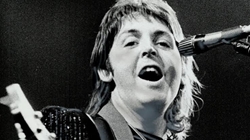
By the end of the 1960s, many rockers were turning away from blithe love songs in favor of something far more consequential. Political and social activism became the call of the day. Songs got an existential tinge. But there were a few artists still holding on to the notion that the best medicine for hard times was unfiltered, earnest love. Paul McCartney was a strong proponent of that message in his songs, much to the chagrin of some of his former bandmates.
In the mid-1970s, McCartney and his second band, Wings, decided to push back against the notion that love songs were, in some way, immature. In return, they earned one of their biggest hits. They proved the song’s sentiment: love is eternal and will always bring listeners together.
John Lennon, in particular, took issue with the fact that Paul McCartney was known to write playful songs, often about love. His time with The Beatles saw him write such “silly” songs as “Ob-La-Di, Ob-La-Da”. There’s also the darkly tinged “Maxwell’s Silver Hammer”. That affinity only grew once he got out of Lennon’s discerning eye and started a solo career.
Source: americansongwriter.com/Alex Hopper